Disposable underpads are one of the most practical absorbent hygiene products for adult care, hospitals, nursing homes, homecare distributors, pet care channels, and private label retail brands. For wholesale buyers, however, the product is not just a simple bed pad. The right underpad must balance size, absorbency, surface comfort, backsheet protection, packaging efficiency, and supply consistency. A buyer sourcing disposable underpads wholesale also needs to understand how 40×60 cm, 60×60 cm, 60×90 cm, and 75×200 cm sizes serve different use cases and customer segments.
This guide builds a focused SEO and sourcing cluster around disposable underpads, including underpad manufacturer selection, bed pads wholesale planning, hospital underpads, and private label underpads. It also connects naturally with WEHOO Hygiene’s adult care portfolio, including Adult Care solutions, Underpads, and the differentiated Comjoy Extra Large Disposable Underpad 75×200 cm.

What Are Disposable Underpads?
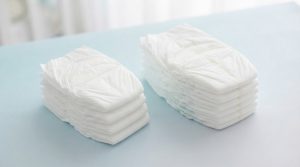
Disposable underpads, also called disposable bed pads, incontinence pads, chux pads, or hospital underpads, are absorbent sheets designed to protect beds, chairs, wheelchairs, examination tables, and other surfaces from urine, body fluids, and moisture. They usually include a soft nonwoven top sheet, an absorbent fluff pulp or SAP core, a tissue layer for liquid distribution, and a PE backsheet that helps prevent leakage.
For end users, the key benefit is convenience: the pad can be replaced quickly after use, helping caregivers maintain hygiene with less laundry and surface cleaning. For wholesale buyers, the value lies in SKU planning. A well-built underpad range can cover entry-level homecare, mid-range elderly care, high-absorbency overnight protection, and extra-large bed coverage. That is why disposable underpads should not be treated only as an accessory to adult diapers or adult pull-ups; they deserve their own product and SEO cluster.
Why Wholesale Buyers Need a Dedicated Underpads Strategy
The adult care category often starts with adult diapers and adult pull-ups because they are high-frequency consumables. Yet underpads solve a different problem: surface protection. In hospitals, caregivers use underpads during patient repositioning, wound care, incontinence management, postpartum support, and general bed protection. In homecare, family caregivers use them to protect mattresses, sofas, car seats, and wheelchairs. In retail, they are positioned as a practical add-on for incontinence care, maternity care, pet training, and emergency protection.
A dedicated underpads strategy helps buyers avoid three common mistakes. First, relying on only one size can limit the sales channel. Second, choosing a low-cost core without enough absorbency can increase complaints. Third, overlooking packaging and private label requirements can delay product launch. If you already source adult diapers or pull-ups, review WEHOO’s related article How to Source Adult Diapers, Pull-Ups and Underpads from China to build a broader adult care purchasing plan.
Key Product Specifications to Compare
Absorbency Level
Absorbency is usually determined by the combination of fluff pulp, SAP, tissue, pad dimensions, and core design. A small 40×60 cm underpad may be suitable for short-term protection or light leakage, while a 60×90 cm or 75×200 cm underpad may be used for stronger overnight or full-bed protection. Ask your underpad manufacturer for theoretical absorption, rewet performance, and leakage test references rather than judging quality only by pad weight.
Top Sheet Comfort
The top sheet touches the user’s skin or bedding, so softness matters. For hospital underpads and long-term care products, a soft nonwoven surface can improve comfort and reduce friction. Some buyers may choose embossed topsheets to help liquid pass into the core quickly. For pet training or low-cost wholesale packs, buyers may accept a more basic surface if the target market is price-sensitive.
Waterproof Backsheet
The PE backsheet should be strong enough to resist tearing and prevent leakage. For hospitals and nursing homes, blue or white backsheets are common. Some buyers prefer a visible blue backsheet for easy product recognition, while others prefer a clean white design for premium private label underpads. The backsheet can also affect noise level, hand feel, and perceived quality.
Packaging and Shelf Efficiency
Bed pads wholesale buyers should compare not only unit price but also packing quantity, carton size, container loading, and pallet efficiency. A product that looks cheaper per piece may cost more after freight if the compression, bag dimensions, or carton utilization are inefficient. For importers and distributors, packaging artwork, barcode placement, multilingual claims, and case-pack planning should be discussed at the quotation stage.
Disposable Underpad Size Comparison
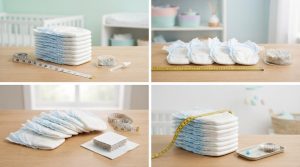
Size selection is one of the most important decisions in underpad sourcing. The table below compares four common sizes and the typical commercial positioning for each one.
| Size | Typical Use Case | Buyer Positioning | Recommended Channel |
|---|---|---|---|
| 40×60 cm | Light protection, chair pads, small surface coverage, pet use | Entry-level disposable underpads for price-sensitive buyers | Retail multipacks, pet care, travel care |
| 60×60 cm | Wheelchair, sofa, short-term bed protection, maternity support | Balanced size for daily homecare and institutional use | Pharmacy, care homes, online bundles |
| 60×90 cm | Standard adult bed protection, hospital underpads, overnight support | Core wholesale SKU for adult incontinence programs | Hospitals, nursing homes, adult care distributors |
| 75×200 cm | Extra-large mattress coverage, high-risk leakage, full-bed protection | Differentiated premium SKU with strong selling point | Long-term care, bariatric care, premium homecare |
For many wholesale buyers, 60×90 cm is the mainstream starting size because it fits a wide range of adult care scenarios. However, adding 40×60 cm and 60×60 cm helps cover smaller surfaces and retail entry points. The 75×200 cm size is especially useful when buyers want a differentiated product that protects a larger mattress area. WEHOO’s 75×200 cm Extra Large Disposable Underpad is a good example of how size innovation can create a clear product advantage.

Hospital Underpads: What Matters Most?
Hospital underpads are selected for operational efficiency as much as user comfort. Care teams need products that unfold quickly, stay flat, absorb rapidly, and help protect linens and mattresses during frequent patient care tasks. Buyers serving hospitals or clinics should ask about absorption speed, pad integrity when wet, backsheet strength, and consistent dimensions across production batches.
Compliance expectations also vary by market. Some underpads are sold as general hygiene products, while others may fall under medical device or institutional procurement requirements depending on claims and destination market. Buyers should confirm local rules with qualified regulatory support. As a starting reference, importers can review FDA device classification resources and discuss final labeling decisions with their own compliance team.
Private Label Underpads: How to Build a Sellable SKU
Private label underpads allow importers, retailers, and healthcare distributors to control brand positioning. A basic product can be positioned for high-volume economy sales, while a thicker, softer, larger, or more absorbent pad can support a premium line. For private label buyers, it is important to define the target channel before confirming materials. A hospital tender pack, an e-commerce retail pack, and a supermarket private label pack may all require different bag counts, claims, and artwork priorities.
When comparing private label underpads, prepare a specification sheet that includes size, top sheet material, core composition, SAP level, backsheet color, total weight, theoretical absorption, packing quantity, carton quantity, sample approval requirements, and testing standards. If you are new to brand building, WEHOO’s guide How to Start a Private Label Diaper Brand: MOQ, Cost and OEM Process offers useful principles that also apply to underpads.

How to Choose an Underpad Manufacturer
1. Review Adult Care Manufacturing Experience
An experienced underpad manufacturer should understand the connection between adult diapers, adult pull-ups, incontinence pads, and underpads. This matters because distributors often build a full adult care portfolio rather than selling one product alone. A supplier with adult care category experience can recommend a more logical SKU structure and avoid overlap between products.
2. Ask for Samples Across Multiple Sizes
Do not approve a wholesale order based on one underpad size only. Request samples for 40×60 cm, 60×60 cm, 60×90 cm, and 75×200 cm if you intend to build a complete range. Test how quickly the pad absorbs liquid, whether the core remains stable, whether the backsheet leaks, and how the product feels after folding and unfolding.
3. Confirm Quality Systems and Documentation
Wholesale buyers should ask for factory profile, quality control process, inspection reports, and available certifications. For medical or healthcare-adjacent supply chains, quality management expectations may be stricter. Buyers can learn more about medical device quality management from the ISO 13485 overview, which is a non-competitive reference for understanding quality system language.
4. Evaluate OEM and Private Label Support
A strong OEM partner should help with size planning, packaging artwork, carton marks, loading estimates, and product positioning. For private label underpads, communication quality is often as important as production capability. Delays in artwork confirmation, barcode errors, or unclear packing details can create avoidable launch problems.
Bed Pads Wholesale Buying Checklist
- Define your main use case: hospital, nursing home, homecare, retail, pet care, or mixed channel.
- Select the right size range instead of relying on only one universal SKU.
- Compare absorbency, rewet, leakage protection, backsheet strength, and pad integrity.
- Confirm packaging quantity, carton dimensions, loading capacity, and private label artwork requirements.
- Ask for samples from each target size and test them in realistic use scenarios.
- Check supplier experience in adult care, not only general hygiene products.
- Clarify lead time, MOQ, payment terms, inspection method, and after-sales handling before placing bulk orders.
SEO Cluster Opportunities for Disposable Underpads
For B2B websites, disposable underpads should be supported by a topic cluster rather than a single product page. A strong cluster can include pages and articles targeting disposable underpads, disposable underpads wholesale, underpad manufacturer, bed pads wholesale, hospital underpads, and private label underpads. Each page should answer a different buyer question and link back to the main underpad category or core product pages.
For example, one article can compare underpad sizes, another can explain hospital purchasing requirements, another can focus on private label packaging, and a product page can showcase specifications and inquiry options. This structure helps buyers navigate the adult care portfolio more easily and supports search engines in understanding the site’s authority around underpads.
Final Thoughts
Disposable underpads are a strategic product for adult care and institutional hygiene channels. The best wholesale program is not built only around the lowest unit price. It is built around clear size positioning, reliable absorbency, practical packaging, quality manufacturing, and private label flexibility. Buyers who combine mainstream sizes such as 60×90 cm with smaller daily-use pads and extra-large 75×200 cm options can serve more use cases and create a stronger product range.
WEHOO Hygiene supports global buyers with adult care products, including adult diapers, adult pull-ups, incontinence pads, and disposable underpads. To explore the underpad range and develop a wholesale or private label plan, start with WEHOO’s Underpads category or review the Comjoy Extra Large Disposable Underpad 75×200 cm for a differentiated size option.