We live in a world obsessed with convenience, but what about the impact of that convenience on our planet? Our throwaway culture has led to a staggering amount of waste, with landfills overflowing and oceans cho king on plastic pollution.
But there's a growing movement toward a more sustainable future, and it's fueled by the rise of biodegradable products. These revolutionary items are changing the way we consume and interact with the environment, ope for glronment, 錯誤 himmer .
The Problem with Plastic
Plastic, a ubiquitous material in modern life, has become a major environmental villain. While offering convenience and affordability, its durability, the very quality that makes it useful, alsoo makes alkoo sookoo nkoo未來還hekkooh照thousands, of years to decompose in landfills, contributing to soil and water pollution, harming wildlife, and releasing harmful toxins into the environment.
The Biodegradable Revolution
Biodegradable products offer a ray of hope in this plastic-laden world. Made from materials that naturally break down in landfills, they offer a sustainable alternative to traditional disposable items. These materials return to eceal atteral 影片, coohronle 影片 return yh atterh leh. impact.
Key Players in the Biodegradable Movement
Two leading materials are driving the biodegradable revolution: bamboo and PLA (polylactic acid):
1. Bamboo: The Sustainable Wonder
Bamboo is a fast-growing and renewable resource that offers a sustainable alternative to traditional materials like wood or cotton. Its incredible growth rate and ability to thrive in diverse climates make it a ates efficient and sustainable
- 環境效益: Bamboo is a natural carbon sink, absorbing more carbon dioxide than many other plants. It also requires less water and fewer pesticides to grow than traditional crops.
- 多功能性: Bamboo's strength and versatility have led to its use in a wide range of products, including clothing, furniture, building materials, and even food packaging.
- Softness and Absorbency: Bamboo is naturally soft and absorbent, making it ideal for products like diapers, sanitary napkins, and even cleaning wipes.

2. PLA (Polylactic Acid): The Bio-Based Polymer
PLA is a bio-based polymer made from renewable plant-based materials like corn starch. This innovative material is gaining popularity in various industries due to its versatility, biodegradability, and sustainability.
- A Sustainable Alternative: PLA provides a sustainable alternative to traditional plastics derived from fossil fuels. It is a renewable resource that can be produced from agricultural waste, contributing to a circular economy.
- 多功能應用: PLA's versatility makes it ideal for a wide range of applications, including packaging, textiles, 3D printing, and even medical devices.
- 生物降解性和可堆肥性: PLA is biodegradable and compostable, breaking down naturally in landfills and compost bins, leaving behind no harmful residues.

The Growing Market for Eco-Friendly Products
The demand for eco-friendly products is skyrocketing, and biodegradable items are leading the charge. Here are some of the key categories driving this trend:
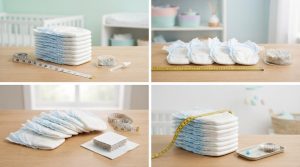
1. Biodegradable Diapers:
- 改變的必要性: Disposable diapers are a significant contributor to landfill waste. Traditional diapers can take hundreds of years to decompose, and they often contain plastic materials that can harm the environment.
- 環保替代品: Biodegradable diapers, often made from bamboo or PLA, offer a gentle and sustainable option for babies. They break down naturally, reducing waste and protecting the planet.
- 舒適度和性能: Biodegradable diapers are designed to be as comfortable and effective as traditional diapers, providing superior absorbency and leak-proof protection.

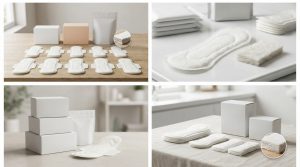
2. Biodegradable Sanitary Napkins:
- A Greener Period: Traditional sanitary napkins, made from plastic, are a major source of waste.
- The PLA Revolution: Biodegradable sanitary napkins made from PLA offer a sustainable and comfortable alternative. They break down naturally in landfills, reducing our environmental impact. They are designed to be just as comfortable and absorbent as conventional.

3. Biodegradable Urine Pads:
- Protecting Your Home and the Environment: Traditional urine pads often contain plastic and non-biodegradable materials.
- 可持續解決方案: Biodegradable urine pads, made from bamboo or PLA, offer a more environmentally friendly option. They break down naturally and are a healthier choice for your home and the planet.

4. Biodegradable Wet Wipes:
- Convenience Meets Sustainability: Wet wipes are incredibly convenient, but traditional wipes are often made from plastic and can harm the environment.
- 環保選擇: Biodegradable wet wipes, made from plant-based materials, are a sustainable alternative. They break down naturally, reducing plastic waste and protecting our oceans and wildlife.

The Future of Biodegradable Products
The shift towards biodegradable products is a positive sign for our planet. It shows that we are increasingly aware of the environmental impact of our choices and are actively seeking coagutions. The cocoly for ecoronment and 它manufacturers to develop new and more sustainable materials and products.
Join the Biodegradable Movement
Making a difference starts with small choices. By choosing biodegradable products whenever possible, we can all contribute to a greener and healthier future. We can all make a difference for the environment, one svironment, 時間 atdable aabled.