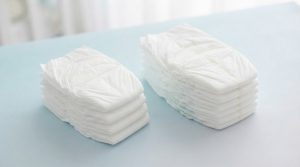
In recent years, the global shift toward sustainability has transformed how we think about everyday items. From reusable shopping bags to metal straws, consumers are increasingly seeking out products that minimize their environmental footprint. One of the most significant, yet often overlooked, shifts in this movement is the rise of biodegradable napkins. These simple paper products play a vital role in our daily lives, particularly in the dining and hospitality industries. By choosing biodegradable options over traditional paper napkins, we can significantly reduce waste and promote a healthier planet.
In this comprehensive guide, we will delve deep into the world of biodegradable napkins, exploring their materials, benefits, and why they are becoming the preferred choice for eco-conscious households and businesses alike. Whether you are hosting a small family dinner or managing a large-scale event, understanding the impact of your choices is the first step toward a more sustainable future.
What are Biodegradable Napkins?
Biodegradable napkins are single-use paper products designed to break down naturally in the environment through the action of microorganisms like bacteria and fungi. Unlike traditional napkins, which may contain synthetic fibers, dyes, or chemical bleaches that persist in landfills for decades, biodegradable versions return to the earth as organic matter. This process ensures that they do not contribute to long-term pollution or microplastic contamination.
Materials Used in Biodegradable Napkins
The secret to the effectiveness of these napkins lies in the raw materials used during production. Most high-quality biodegradable napkins are sourced from fast-growing, renewable plants or recycled materials. Common options include:
- Bamboo: One of the most sustainable materials on earth, bamboo grows incredibly fast without the need for pesticides or excessive water. It produces fibers that are naturally strong, soft, and highly absorbent, making it an ideal choice for premium napkins.
- Sugarcane Bagasse: This is the fibrous residue left over after sugarcane is crushed for juice. Instead of being discarded as waste, it is repurposed into durable, eco-friendly paper products.
- Recycled Paper: Using post-consumer recycled paper reduces the demand for virgin wood pulp, saving forests and reducing the energy required for manufacturing.

For those interested in other personal care products with similar environmental benefits, you might want to check out our Top 5 Benefits of Using Organic Maternity Napkins, which highlights the importance of natural materials in personal hygiene.
The Environmental Impact of Conventional Napkins
To appreciate the value of biodegradable napkins, it is essential to understand the hidden costs of conventional paper napkins. Traditional manufacturing processes often involve heavy chemical use, including chlorine for bleaching, which releases harmful dioxins into water systems. Furthermore, many napkins are treated with synthetic coatings or dyes to improve their appearance, making them difficult to compost.
Why Biodegradability Matters
When conventional napkins end up in landfills, they are often buried under layers of waste where oxygen is scarce. This anaerobic environment slows down decomposition and can lead to the production of methane, a potent greenhouse gas. In contrast, biodegradable napkins are designed to be composted. When placed in a composting facility or a home compost bin, they break down into nutrient-rich soil within a few months, supporting the growth of new plants. This creates a circular economy where waste becomes a resource. Organizations like the World Wildlife Fund (WWF) consistently emphasize the importance of reducing single-use waste to protect biodiversity.
Comparison: Conventional vs. Biodegradable Napkins
| Feature | Conventional Napkins | Biodegradable Napkins |
|---|---|---|
| Primary Material | Virgin Wood Pulp | Bamboo, Bagasse, Recycled Paper |
| Bleaching Agent | Chlorine / Chemicals | Oxygen-based / Unbleached |
| Decomposition Time | Years in Landfill | 3-6 Months in Compost |
| Chemical Additives | Fragrances & Dyes | None / Natural Pigments |
| Environmental Impact | High Footprint | Sustainable & Circular |
Key Benefits of Making the Switch
Switching to biodegradable napkins offers numerous advantages that extend beyond environmental protection. Here are some of the key reasons why you should consider them for your next meal or event:
1. Reduced Waste: By composting your napkins, you divert waste from landfills, helping to alleviate the global waste crisis. This is particularly important for high-volume settings like restaurants and cafes.
2. Chemical-Free Experience: Many biodegradable napkins are unbleached or processed with oxygen rather than chlorine. This means they are safer for your skin and free from the harsh chemicals often found in standard paper products. This focus on safety is also central to our Incontinence Pads & Postpartum Incontinence Pads, which prioritize hypoallergenic materials.
3. Support for Sustainable Farming: Choosing products made from bamboo or sugarcane supports agricultural practices that are less damaging to the environment than industrial timber logging.

4. Enhanced Brand Reputation: For businesses, using eco-friendly supplies is a powerful way to demonstrate a commitment to social responsibility. Modern consumers are more likely to support brands that align with their values. According to a recent sustainability study, eco-friendly packaging and supplies significantly influence consumer loyalty.
Biodegradable Napkins in the Hospitality Industry
The hospitality sector is one of the largest consumers of paper products. Hotels, restaurants, and catering companies are now leading the charge in adopting biodegradable napkins. Not only do these products meet the functional requirements of high-quality dining, but they also serve as a conversation starter about sustainability. From rustic outdoor weddings to elegant corporate galas, biodegradable napkins are proving that you don’t have to sacrifice style for the planet.

How to Choose the Best Biodegradable Napkins
With so many options on the market, how do you ensure you’re getting a truly sustainable product? Here are a few tips to help you make an informed decision:
Certifications to Look For
Look for third-party certifications that verify the environmental claims of the manufacturer. Common certifications include:
- FSC (Forest Stewardship Council): Ensures that wood-based products come from responsibly managed forests.
- BPI (Biodegradable Products Institute): Verifies that a product can be composted in commercial facilities.
- ISO 14001: Indicates that the company follows an effective environmental management system.
Beyond certifications, consider the ply and size of the napkin. A higher ply (2-ply or 3-ply) often means the napkin is more absorbent, which might lead to fewer napkins being used per person, further reducing waste. If you are looking for more sustainable household solutions, our Feminine Care category offers a range of eco-friendly products designed for modern needs.
The Future of Biodegradable Products
The innovation in biodegradable materials is far from over. Researchers are constantly developing new ways to make paper products even more efficient and sustainable. In the future, we may see napkins infused with seeds that can be planted after use, or materials made from agricultural by-products that were previously considered unusable. As technology advances, the gap between conventional and sustainable products will continue to close, making the eco-friendly choice the easy choice.
Education also plays a critical role. The more consumers understand the life cycle of the products they buy, the more empowered they are to make better decisions. Sharing knowledge about composting and waste reduction within your community can amplify the impact of your individual choices.
Conclusion
Biodegradable napkins are more than just a trend; they are a vital component of a sustainable lifestyle. By choosing materials like bamboo and sugarcane bagasse, we can enjoy the convenience of single-use products without the environmental guilt. Whether you are a homeowner looking to reduce your waste or a business owner aiming to improve your sustainability profile, biodegradable napkins offer a simple, effective, and elegant solution.
At Hygiene Union, we are dedicated to providing products that support both your health and the environment. Explore our full range of Adult Care and other hygiene solutions to see how we are making a difference. Let’s work together to make every meal a step toward a greener future.