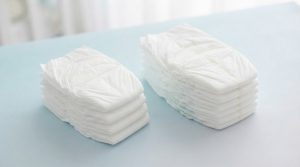
Welcoming a new member into the family is a journey filled with joy, challenges, and a steep learning curve. Among the many decisions parents face, choosing the right infant diaper is one of the most frequent and impactful. A baby will go through thousands of diapers before they are potty trained, and the quality of those diapers directly affects their skin health, sleep quality, and overall comfort.
At WEHOO Hygiene, we understand that every parent wants the best for their child. That is why we have put together this comprehensive guide to help you navigate the world of infant hygiene products, from classic designs to the latest in eco-friendly technology.
Understanding the Basics of Infant Diaper Technology
Modern diaper technology has come a long way from the simple cloth wraps used by previous generations. Today, an infant diaper is a highly engineered product designed to manage moisture while keeping the skin dry and protected. The core of a disposable diaper usually consists of a super-absorbent polymer (SAP) mixed with fluff pulp, which can hold many times its weight in liquid.

When selecting a diaper, you need to look beyond just the price tag. Factors like breathability, the softness of the inner liner, and the elasticity of the waist and leg cuffs play a vital role in preventing leaks and irritation. For those looking for standard high-quality options, our Classic Diapers collection offers reliable protection for everyday use.
Types of Infant Diapers Available Today
1. Classic Disposable Diapers
These are the most common type of diapers. They are designed for convenience and high absorbency. They typically feature a tape-style closure, allowing for a custom fit around the baby’s waist. They are excellent for heavy wetting and provide up to 12 hours of dryness.
2. Eco-Friendly and Bamboo Diapers
As environmental awareness grows, many parents are switching to sustainable options. Eco-friendly diapers often use biodegradable materials like bamboo fiber and are free from chlorine, fragrances, and latex. Our Eco Diapers & Pants are designed to provide the same level of protection as traditional diapers while being much kinder to the planet.
3. Magic Tube Technology
Innovation in the hygiene industry has led to the development of channel-based cores. The Magic Tube Diaper uses specialized channels to distribute liquid evenly across the core, preventing sagging and ensuring the baby can move freely without a bulky feeling between their legs.
Comparing Diaper Features
| Feature | Classic Diaper | Eco-Friendly Diaper | Magic Tube Diaper |
|---|---|---|---|
| Absorbency | High | High | Very High (Even distribution) |
| Material | Standard Synthetic | Bamboo / Natural Fibers | Advanced SAP Channels |
| Skin Sensitivity | Good | Excellent (Hypoallergenic) | Excellent |
| Environmental Impact | High | Low | Medium |

Maintaining Healthy Skin: Preventing Diaper Rash
One of the biggest concerns for parents is diaper rash. According to the Mayo Clinic, diaper rash is a common form of inflamed skin (dermatitis) that appears as a patchwork of bright red skin on your baby’s bottom. It’s often related to wet or infrequently changed diapers, skin sensitivity, and chafing.
To prevent this, it is essential to change your infant diaper regularly. For step-by-step guidance, you can check this resource on how to change a diaper properly. Keeping the area clean and dry, using barrier creams when necessary, and choosing a breathable diaper are your best lines of defense.
The Importance of Proper Sizing
A diaper that is too tight can cause red marks and discomfort, while one that is too loose will inevitably lead to leaks. Most brands categorize sizes by the baby’s weight. However, every baby is shaped differently. If you notice frequent blowouts or red marks around the thighs, it’s usually time to move up to the next size.

Conclusion
Choosing the right infant diaper is about finding the perfect balance between performance, comfort, and your family’s values. Whether you prefer the convenience of classic disposables or the environmental benefits of eco-friendly options, WEHOO Hygiene is here to support you with products designed for the highest safety standards. Your baby’s comfort is our priority.
Detailed analysis of various diaper components: The topsheet is the layer in direct contact with the baby’s skin. It must be soft and capable of transferring moisture quickly into the core. Below the topsheet lies the acquisition/distribution layer (ADL), which helps move liquid away from the point of impact and spreads it throughout the absorbent core. The core itself is the engine of the diaper. High-quality SAP ensures that liquid is locked away, preventing it from coming back to the surface (rewet). The backsheet is the outer waterproof layer that prevents leaks while allowing air to circulate, reducing the risk of overheating and irritation.
Furthermore, the manufacturing process of these diapers must adhere to strict hygiene and safety regulations. From the selection of raw materials like non-woven fabrics and elastic bands to the final packaging, every step is monitored to ensure no harmful chemicals or allergens are introduced. Parents can rest easy knowing that modern infant diapers are rigorously tested for pH balance and skin compatibility.